
Reviewed by Tushar Sharma & Vaishali Sharma, Co-Founder, SafeRaho
Published 24 May 2026 · Updated 12 July 2026
Car Insurance vs Bike Insurance: Coverage Explained
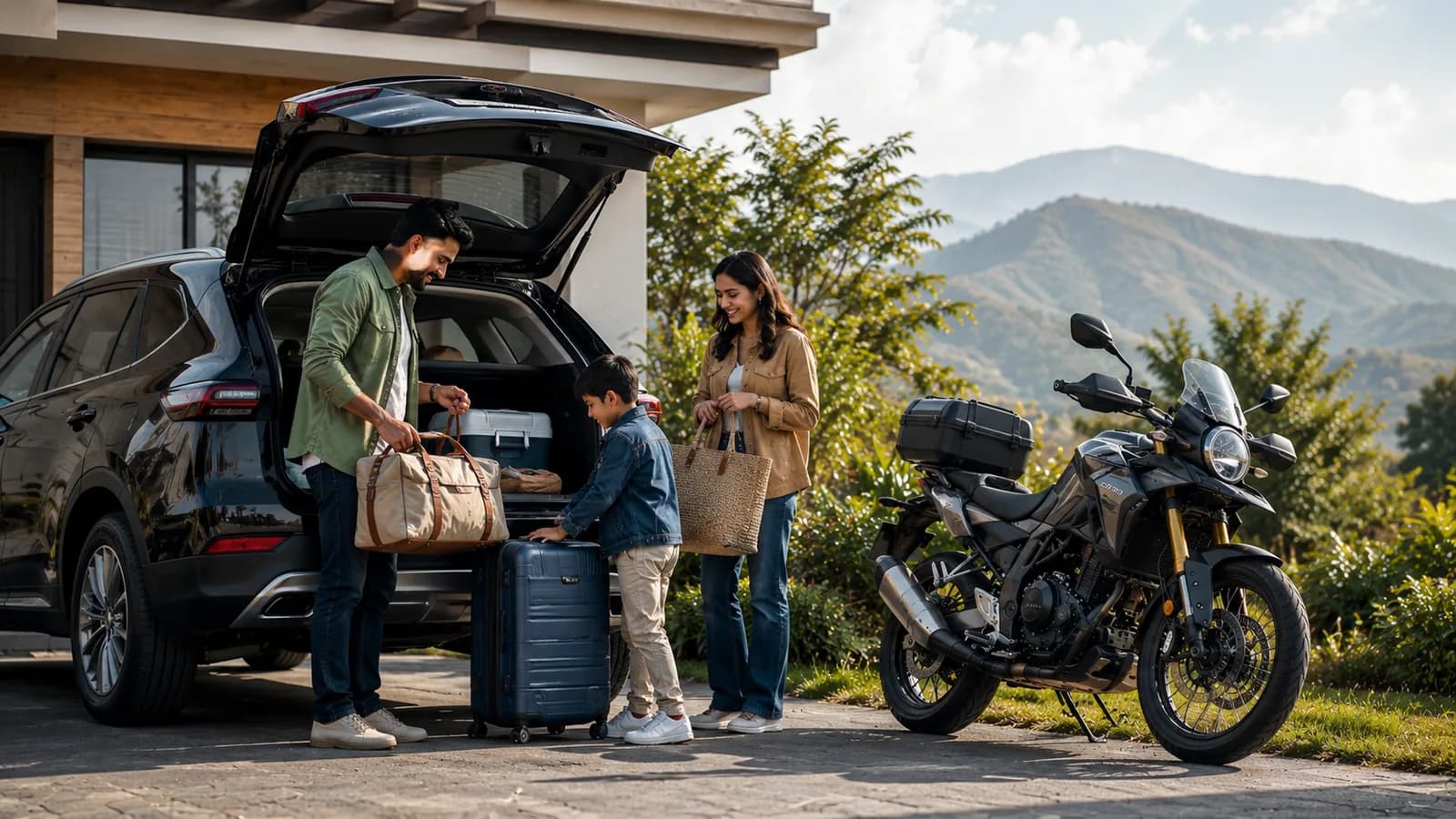
At first glance, car insurance and bike insurance look almost identical — both protect a vehicle, both involve a premium, and both come wrapped in more policy jargon than most people want to read. But once you compare them closely, the differences in coverage, pricing, and claims matter quite a bit.
If you're searching for car insurance vs bike insurance, this guide explains how the two policies differ in coverage, premiums, claims, add-ons, and risk factors.
What is Car Insurance?
Car insurance provides financial protection for accidents, theft, natural disasters, third-party liabilities, and vehicle damage. In India, third-party car insurance is legally mandatory under Section 146 of the Motor Vehicles Act, 1988, and many owners choose comprehensive plans for broader protection — largely because modern car repair bills, especially on vehicles with sensors and electronics, have gotten expensive fast.
What is Bike Insurance?
Bike insurance works on the same principle but applies to motorcycles, scooters, and other two-wheelers. It protects against accidents, theft, damage, and third-party liabilities, and third-party bike insurance is equally mandatory under Indian law.
Main Difference Between Car Insurance and Bike Insurance
The core difference comes down to vehicle value, repair cost, and claim frequency. Cars generally cost more to insure and repair, and involve higher claim values when something goes wrong. Bikes are usually cheaper to insure, face a different accident risk profile (riders are more exposed physically than drivers), and often have lower repair costs — though premium and superbikes can flip that logic entirely, with parts and labor costing as much as a mid-range car's.
Car Insurance vs Bike Insurance: Quick Comparison
| Feature | Car Insurance | Bike Insurance |
|---|---|---|
| Vehicle Type | Four-wheelers | Two-wheelers |
| Premium Cost | Higher | Lower |
| Repair Costs | Usually expensive | Usually lower |
| Accident Risk | Moderate | Higher rider vulnerability |
| Add-On Options | More extensive | Simpler |
| Theft Risk | Moderate | Often higher in cities |
Types of Coverage Available
Both car and bike insurance generally offer the same two structures:
Third-Party Insurance
Mandatory by law. Covers third-party injury, property damage, and legal liabilities, but does not cover your own vehicle's damage.
Comprehensive Insurance
Covers your own vehicle damage, theft, fire, floods, natural disasters, and third-party liabilities — this is what most owners of either vehicle type actually choose, once they've seen a real repair estimate from a service center.
Why Car Insurance Premiums Are Higher
Cars generally involve higher repair costs, more expensive parts, more advanced electronics, and costlier labor — even a minor bumper incident on a newer car can run into a significant repair bill. As a result, car insurance premiums are consistently higher than bike insurance premiums for comparable coverage levels.
Why Bike Insurance Can Still Be Important
Many riders underestimate bike insurance, but bikes face higher accident exposure (riders have far less physical protection than drivers), significant theft risk in dense urban areas, weather-related damage, and often expensive spare parts for premium models. Good coverage matters just as much here, even though the absolute premium is lower.
Coverage Similarities
Both policies commonly cover accident damage, theft, fire, natural disasters, riot damage, and third-party liability — with the exact scope depending on the insurer, policy type, and add-ons selected.
Common Exclusions
Both car and bike insurance typically exclude drunk driving or riding, driving without a valid license, illegal usage, mechanical breakdowns unrelated to an accident, normal wear and tear, and any claim tied to a policy violation. Reviewing exclusions before buying — not after a claim gets rejected — saves a lot of frustration.
Add-Ons in Car Insurance vs Bike Insurance
Popular Car Insurance Add-Ons
Zero depreciation, engine protection, return-to-invoice, roadside assistance, and consumables cover. Car insurance generally offers a wider range of add-ons because there's more complexity — and more value — to protect.
Popular Bike Insurance Add-Ons
Zero depreciation, roadside assistance, engine protection, and consumables cover. The list is simpler than for cars, but each add-on is still genuinely useful, particularly zero depreciation for newer or premium bikes.
Zero Depreciation Cover Explained
One of the most valuable add-ons for either vehicle type. Without it, insurers deduct depreciation from the value of replaced parts during a claim, so an older vehicle might only get a fraction of a part's cost reimbursed. With zero depreciation, the insurer covers the full part replacement cost in most cases — especially useful for newer vehicles where genuine parts are priced at a premium.
Claim Settlement Process
The claim process is broadly similar for both vehicle types:
Step 1 — Report the accident or damage to your insurer, ideally within the timeframe specified in your policy.
Step 2 — Insurer inspection happens, either at the accident site or the repair garage, to assess the extent of damage.
Step 3 — Repair estimate gets approved once the insurer's surveyor signs off on the assessed cost.
Step 4 — Cashless repair or reimbursement begins, depending on whether your garage is in the insurer's network.
The steps are similar across vehicle types, but the actual experience — how fast each step moves, how much documentation is demanded — varies significantly by insurer and by the quality of their customer support.
Which Insurance is More Expensive?
Car insurance is usually more expensive because vehicle value and repair costs are both higher. Bike insurance is usually cheaper, though premium and sports bikes can cost significantly more to insure than their price tag might suggest, given the specialized parts involved.
Which Has Higher Theft Risk?
In many Indian cities, bikes — particularly scooters, commuter models, and popular resale-friendly bikes — face a higher theft risk than cars, simply because they're easier to move and resell. This can push up bike insurance premiums in high-theft areas even when repair costs are comparatively low.
Online Renewal for Car vs Bike Insurance
Both now support instant online renewals, side-by-side policy comparison, digital claims, and add-on customization. Online renewal is generally faster, cheaper, and easier to manage than going through an agent for either vehicle type.
Common Mistakes People Make
Choosing Third-Party Only Coverage
Leaves your own vehicle completely unprotected — a decision that rarely holds up once you've priced out a real repair bill.
Ignoring Add-Ons
Especially zero depreciation and engine protection, both of which matter more than most first-time buyers realize.
Letting Insurance Expire
Causes inspection requirements, claim complications, and loss of accumulated No Claim Bonus.
Choosing Lowest Premium Blindly
Cheap plans often come with reduced coverage quality, a lower IDV, and weaker support — savings on paper that disappear the moment you need to file a claim.
Which One Should You Prioritize More?
Both matter, just for different reasons. Bike riders face greater physical vulnerability during accidents, while car owners typically face larger repair expenses. Neither risk is smaller than the other — they're just different, and both deserve real coverage rather than the legal minimum.
Features Worth Comparing in Both
Before buying either type of vehicle insurance, compare claim settlement reputation, cashless garage network, add-on options, IDV value, customer support quality, premium affordability, and the overall renewal experience.
Final Thoughts
The debate around car insurance vs bike insurance mostly comes down to vehicle value, repair costs, risk exposure, and how you actually use the vehicle. Both policies exist for the same reason — to keep one bad day on the road from turning into a much longer financial one. Whether you drive a hatchback, a sedan, ride a scooter, or a sports bike, adequate insurance is what stands between an accident and a genuinely difficult recovery.