
Reviewed by Tushar Sharma & Vaishali Sharma, Co-Founder, SafeRaho
Published 22 May 2026 · Updated 12 July 2026
Best Bike Insurance Plans in India 2026
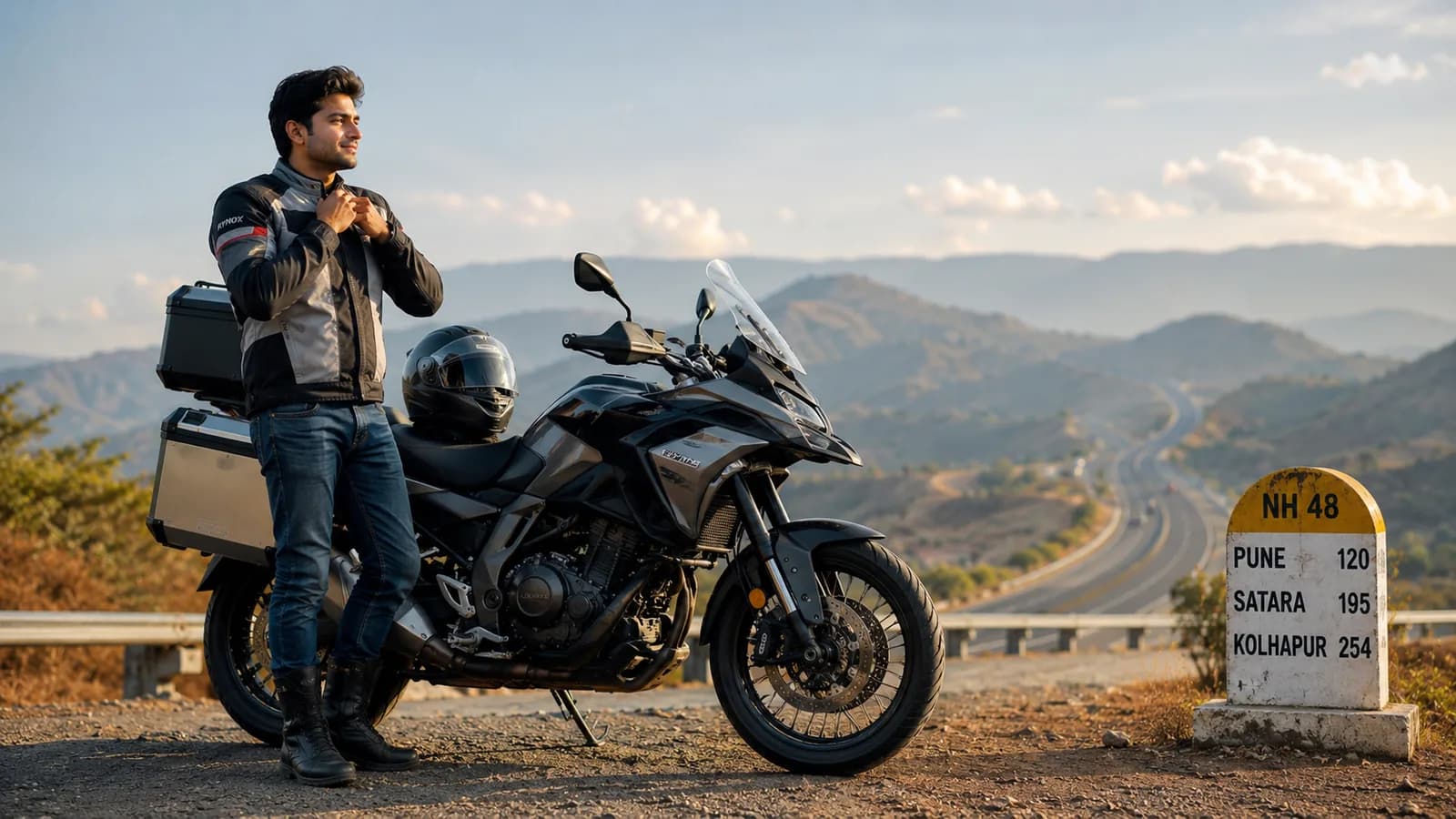
Owning a bike in India is freedom — right up until a scratch in the parking lot, a monsoon flood in the engine bay, or a repair bill that reads like a small emergency fund withdrawal.
That's why choosing the best bike insurance India options matters more than most riders realize. It's rarely the flashiest plan or the cheapest premium that helps you the most — it's the one that actually pays out cleanly when something goes wrong.
If you're comparing policies or planning your bike insurance renewal, this guide explains what actually matters before buying insurance in 2026.
What is Bike Insurance?
Bike insurance is a policy that provides financial protection against accidents, theft, natural disasters, third-party liabilities, and general vehicle damage. In India, third-party bike insurance is legally mandatory under Section 146 of the Motor Vehicles Act, 1988 — you cannot ride without at least this minimum cover.
Most riders, though, go beyond the legal minimum and choose comprehensive coverage, because modern repair costs — especially on bikes with electronic components — have climbed well past what a bare third-party policy would ever pay out.
Types of Bike Insurance in India
1. Third-Party Bike Insurance
This is the legal minimum, mandatory by law. It covers damage you cause to other people, their property, and any legal liabilities arising from an accident you're responsible for. It does not cover damage to your own bike — if you crash, the repair bill is entirely yours. Third-party premiums are fixed each year through a government notification under the Motor Vehicles Act, so they don't vary much between insurers; what varies is everything comprehensive plans add on top.
2. Comprehensive Bike Insurance
Most riders prefer this because it covers everything third-party does, plus damage to your own bike from accidents, theft, fire, and natural disasters. It costs more upfront, but for anyone who'd struggle to pay a full repair or replacement bill out of pocket, it's usually the more financially sound choice — particularly for new bikes, premium bikes, and daily commuters who put real mileage on the odometer.
Why Comprehensive Bike Insurance Makes Sense
Bike repairs get expensive fast, especially on sports bikes, premium scooters, and anything with modern electronic parts — a single crash involving a fairing, headlight assembly, and a few sensors can run into tens of thousands of rupees. Comprehensive coverage absorbs that risk instead of leaving it entirely on you. It's not just about worst-case theft or total loss; it's the everyday fender-benders and monsoon damage that add up over a bike's lifetime.
What Does Bike Insurance Cover?
Most comprehensive bike insurance policies include accident damage, theft, fire damage, flood damage, third-party liability, riot or vandalism damage, and total loss situations. Exact coverage depends on the insurer, the policy type, and which add-ons you've selected — two "comprehensive" policies from different insurers can still differ meaningfully in what they actually pay out for.
What Bike Insurance Usually Does NOT Cover
Common exclusions include drunk riding, riding without a valid license, mechanical breakdowns unrelated to an accident, normal wear and tear, illegal modifications, and any claim arising from a policy violation. Insurers scrutinize exclusions closely during claim assessment, so it's worth reading the policy wording — not just the brochure — before you buy.
Important Features to Compare in 2026
1. Claim Settlement Reputation
Fast, fair claims matter far more after an accident than a slightly lower premium did before one. Check customer reviews, how insurers handle claim approvals in practice, typical settlement speed, and the quality of support during the process. A cheap premium is worth little if getting your claim approved turns into a weeks-long back-and-forth over documentation.
2. Cashless Garage Network
Verify which repair garages and authorized service centers are in the insurer's cashless network near you, and confirm claim support is actually available at those locations — not just listed on a website. A large network on paper is only useful if your nearest approved garage is somewhere you'd realistically go.
3. IDV (Insured Declared Value)
IDV is the maximum amount the insurer will pay if your bike is stolen or declared a total loss. A lower IDV means a cheaper premium but also lower compensation; a higher IDV costs more but protects you better. Most insurers calculate a default IDV based on your bike's age and original price, but many let you adjust it within a permitted range — don't accept the default without checking it against your bike's real resale value.
4. Zero Depreciation Add-On
One of the most useful add-ons available. Without it, insurers deduct depreciation from the value of replaced parts during a claim under IRDAI's standard depreciation schedule — rubber, plastic, and fibre parts carry a flat depreciation regardless of age, and other parts scale up to 50% depreciation after 10 years, so an older bike can end up with only about half a part's cost reimbursed. With zero depreciation, the insurer covers most part-replacement costs in full, which matters a lot given how expensive genuine spare parts have become, especially for new or premium bikes.
5. Roadside Assistance
Covers breakdowns, flat tires, towing, and battery problems — genuinely useful for anyone who rides long distances or commutes daily through unpredictable traffic. It won't feel necessary until the one time your bike won't start on a highway shoulder, at which point it's worth every rupee of the add-on premium.
Why Bike Insurance Renewal Matters
Never let your bike insurance renewal lapse. An expired policy means you're technically riding illegally, can face penalties during traffic checks, may need a fresh inspection to reinstate cover, and — critically — lose any No Claim Bonus you've built up. Accidents don't wait for convenient timing, and an expired policy at the wrong moment turns a manageable repair bill into an entirely self-funded one.
How No Claim Bonus (NCB) Works
If you go through a policy period without making a claim, the insurer rewards you with a discount on your next renewal premium — this is the No Claim Bonus (NCB). Under IRDAI's standardised slab structure, it starts at 20% after one claim-free year and rises in fixed steps to a maximum of 50% after five or more consecutive claim-free years (standard NCB slab structure), making it one of the most effective ways to lower your long-term insurance cost. NCB is also transferable if you switch insurers at renewal, as long as you inform the new insurer and provide proof from your previous policy.
Online Bike Insurance Renewal vs Offline Renewal
Online Renewal
Usually faster, often cheaper, and easier to compare across insurers side by side — which is why most riders now renew online. You can review your existing coverage, adjust add-ons, and get the policy document instantly by email.
Offline Renewal
Better suited to riders who want an agent's guidance or more customized support, particularly for complex situations like transferring NCB across insurers or resolving a claim history dispute. Pricing through an agent can sometimes run slightly higher, but the hand-holding is worth it for some riders.
Add-Ons Worth Considering
Useful bike insurance add-ons include zero depreciation, engine protection, roadside assistance, consumables cover, return-to-invoice, and key replacement. Their real value depends on your bike type, the city you ride in, and your riding habits — a daily monsoon commuter benefits far more from engine protection than someone who rides occasionally on dry highways.
Engine Protection Cover Matters More in 2026
Particularly important in flood-prone cities and monsoon-heavy regions. Standard bike insurance usually excludes engine damage caused by water ingress — which is exactly the kind of damage a flooded street causes when a bike stalls mid-water and someone tries to restart it (don't). This add-on specifically covers that gap and can prevent a very expensive engine rebuild.
How to Choose the Best Bike Insurance in India
Before buying, compare premiums across at least three insurers, check claim settlement reputation rather than relying on advertising, verify the garage network near you, confirm the IDV is reasonable for your bike's actual value, review exclusions carefully, and evaluate which add-ons genuinely apply to your situation. Never choose based on the lowest premium alone — a cheap policy that pays out poorly costs more in the long run than a slightly pricier one that actually protects you.
Common Mistakes Riders Make
Buying Third-Party Only Coverage
Saves money upfront but leaves your own bike completely unprotected — for a bike worth more than a couple of years' worth of premium difference, this rarely makes financial sense.
Ignoring Add-Ons
Especially zero depreciation and roadside assistance, which can save significant money over the life of a policy for a relatively small additional premium.
Letting Policy Expire
Causes inspection hassles at renewal, loss of accumulated NCB, and potential legal issues if you're caught riding on an expired policy.
Choosing Very Low IDV
Reduces your compensation during theft or total-loss claims — it lowers your premium slightly but can leave you significantly short of what you'd need to replace the bike.
Features Worth Prioritizing in 2026
When comparing the best bike insurance India options, prioritize a strong claim settlement reputation, a large garage network, zero depreciation cover, a fast renewal process, a fair IDV value, responsive customer support, and add-ons that genuinely match how and where you ride.
Should You Buy Bike Insurance Online?
For most riders, yes. Online platforms make it easier to compare plans side by side, customize coverage with the add-ons you actually need, and renew instantly without paperwork delays. That said, don't rush the comparison — take the extra ten minutes to check claim settlement reputation and exclusions rather than just picking whichever result loads first.
Final Thoughts
The best bike insurance policy is the one that actually helps when accidents happen, theft occurs, repairs get expensive, or emergencies show up unannounced. A strong bike insurance renewal habit, a comprehensive plan, and the right add-ons for your riding style can save you from serious financial stress later — riding should stay the fun part.
Related Reading
- Best Car Insurance Plans in India 2026: What You Should Actually Compare
- Car Insurance vs Bike Insurance: Coverage Explained
- Motor Insurance Renewal Online: Complete Guide for 2026
- Browse the full Motor Insurance guide
- Financing your bike? Plan the payments with our free EMI Calculator